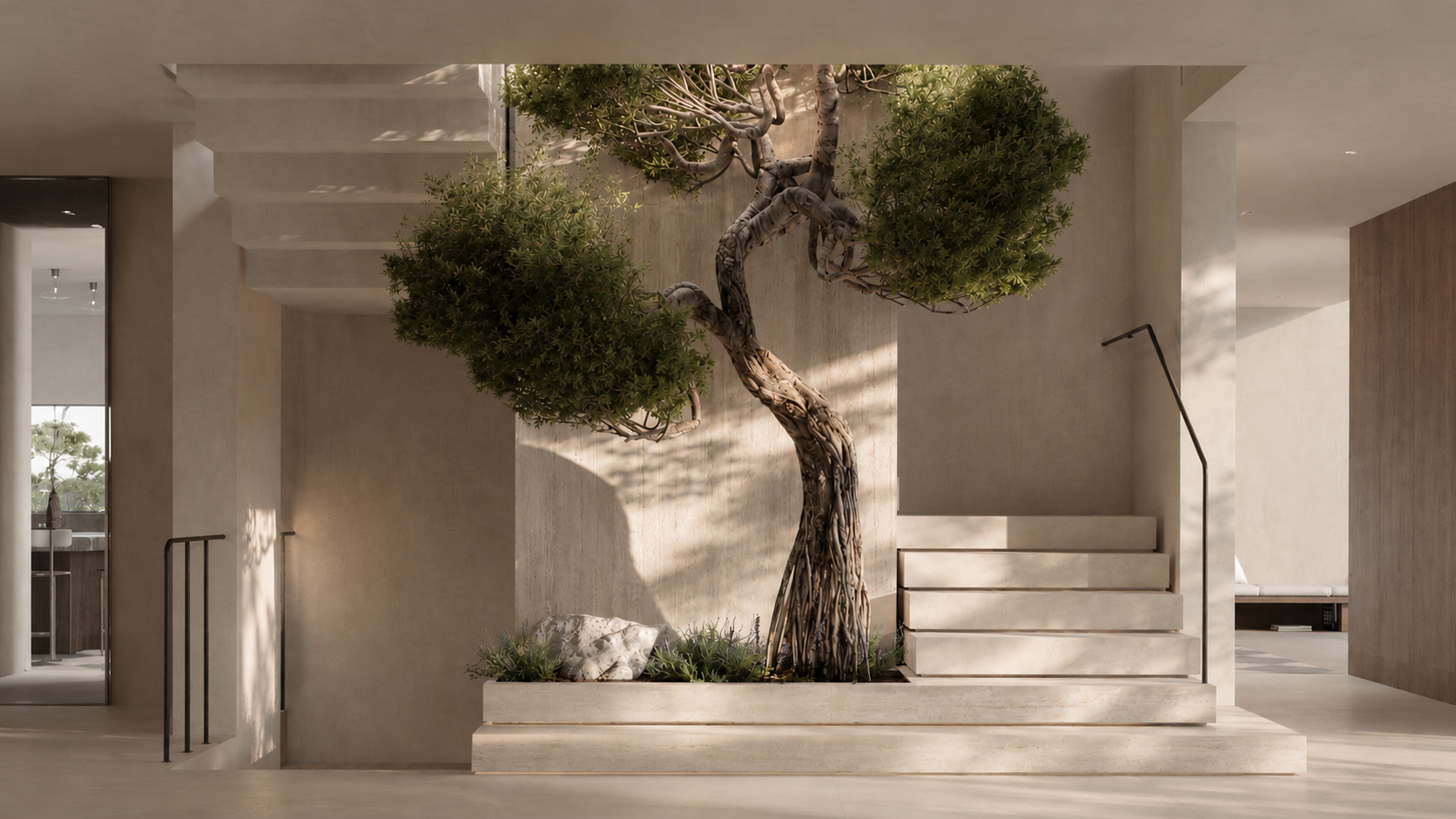
In an architectural landscape often dominated by sleek minimalism, pristine finishes, and calculated symmetry, a contrasting philosophy is capturing the imagination of designers and homeowners alike: Wabi-Sabi.
Rooted in ancient Japanese aesthetics and Zen Buddhism, wabi-sabi is more than just a decorating trend—it is a profound worldview that finds beauty in transience, imperfection, and authenticity. For architects and interior designers, translating this philosophy into a built environment means creating spaces that feel lived-in, grounded, and deeply connected to the natural world.
What is Wabi-Sabi?
To design with wabi-sabi, one must first understand its two distinct components:
- Wabi: Refers to rustic simplicity, humility, and freshness. It is the joy found in solitude and the quiet appreciation of understated, unpretentious objects.
- Sabi: Refers to the beauty that comes with age, wear, and time. It is the patina on aged brass, the crackled glaze of a handmade ceramic bowl, or weathered wood grains.
Combined, wabi-sabi is the art of embracing the flawed, the impermanent, and the incomplete.
Core Architectural & Interior Principles
Translating a philosophy of imperfection into high-end architecture requires a delicate balance of restraint and craftsmanship. Here is how wabi-sabi manifests in interior design:
1. Honoring Raw, Natural Materials
Synthetics and overly processed materials have no place in a wabi-sabi interior. The focus is entirely on elements that age gracefully and showcase their natural origins:
- Unfinished and Reclaimed Wood: Exposing structural timber, rough-hewn beams, or flooring with visible knots and grains.
- Stone and Concrete: Using poured concrete, honed travertine, or unpolished slate that reveals the earth’s raw texture.
- Natural Plaster and Clay: Walls finished in tadelakt, lime wash, or limewash paint create subtle, tactile movement and depth compared to flat, sterile drywall.
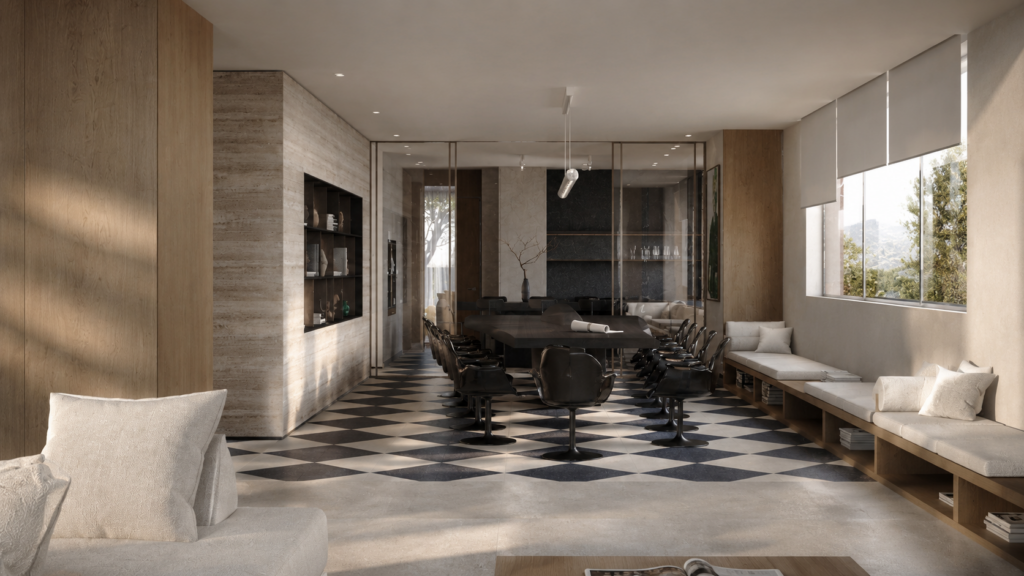
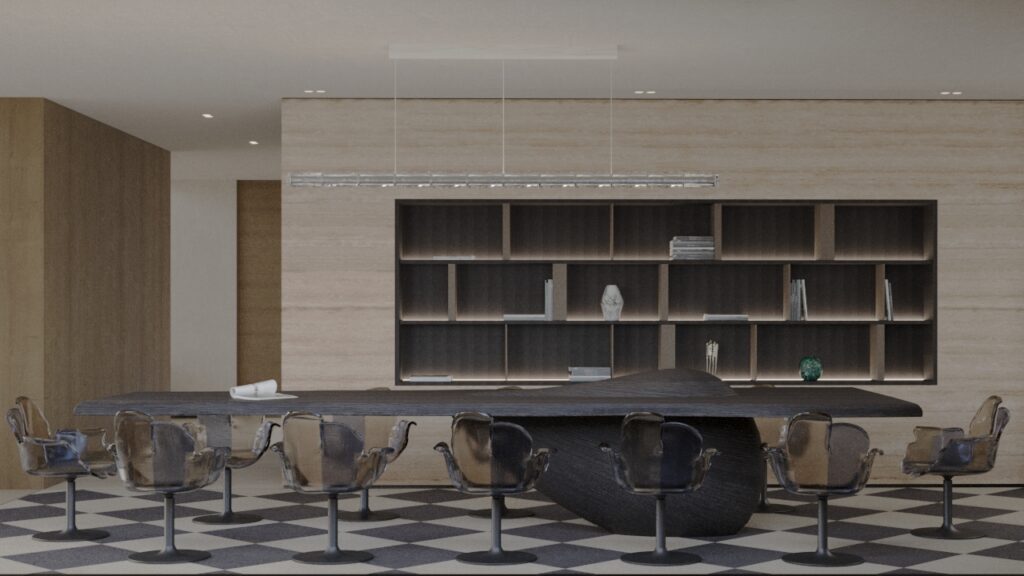
2. Celebrating Patina and Imperfection
Instead of hiding the marks of time, wabi-sabi highlights them.
- A chipped ceramic vase repaired with gold (kintsugi).
- A leather armchair softened by decades of use.
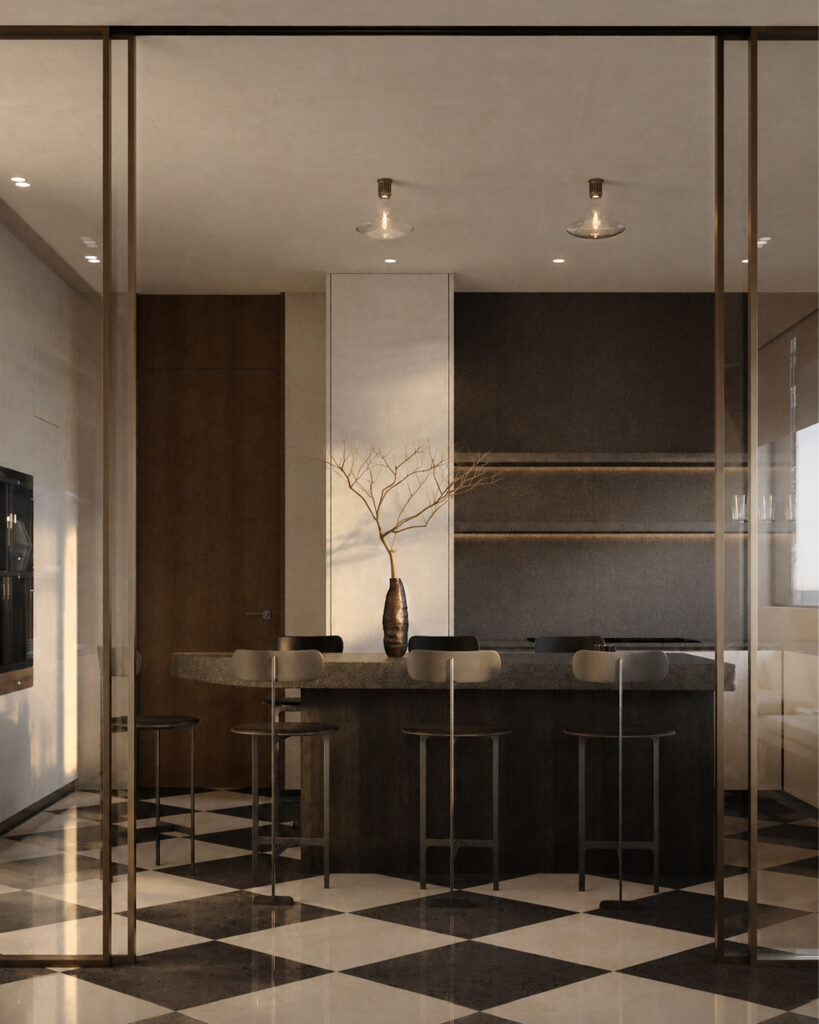
- Oxidized metals like copper, iron, and brass that develop a rich, dark patina.
3. Intentional Minimalism and Negative Space
Unlike modern minimalism, which can sometimes feel cold or clinical, wabi-sabi minimalism is warm and soulful.
- Less is More: Every object in the room must serve a distinct purpose or evoke an emotional response.
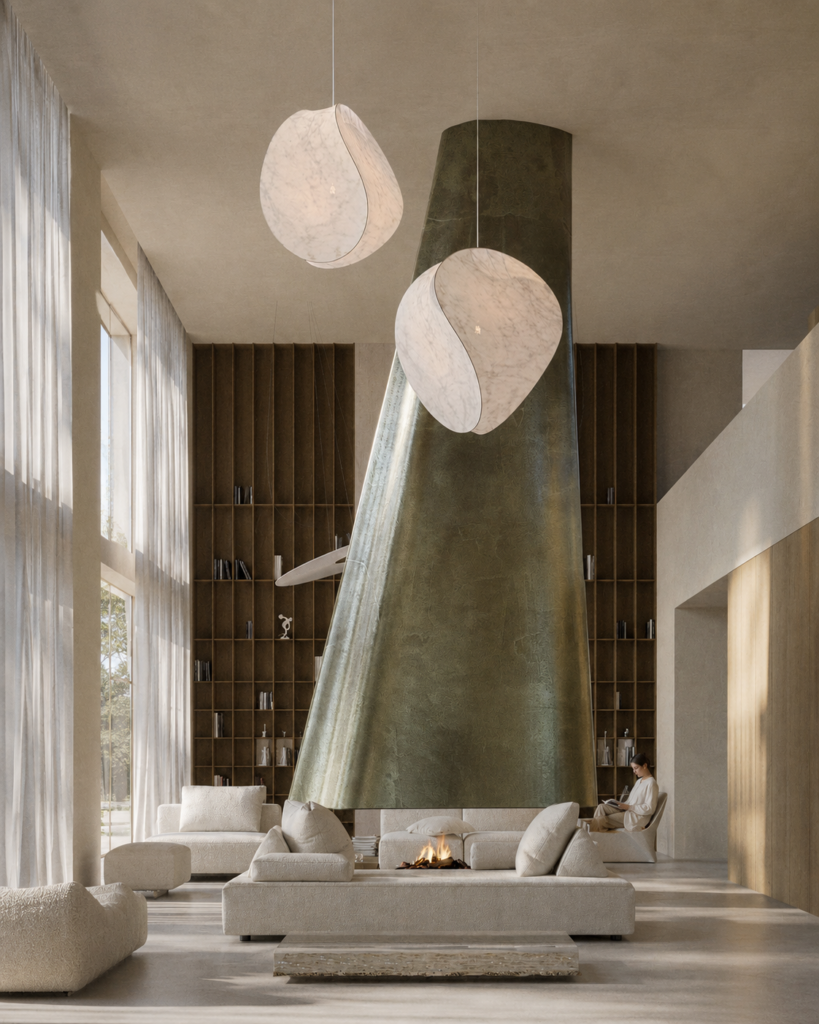
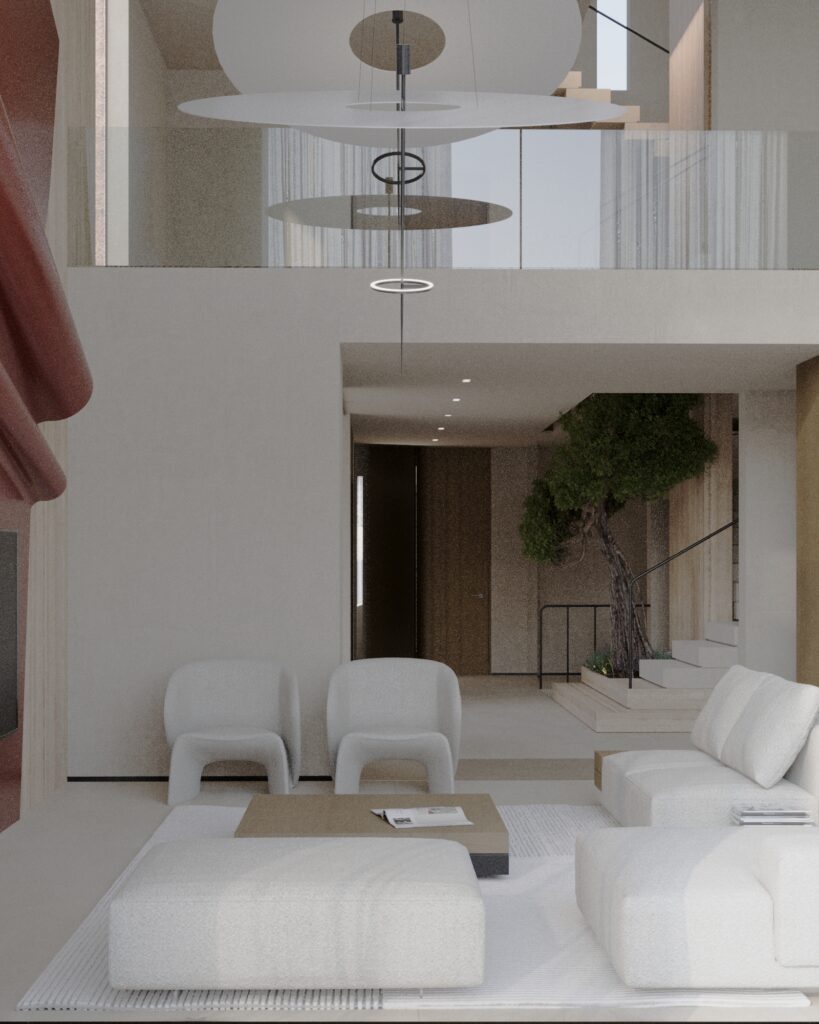
- Breathing Room: Generous negative space allows architectural elements, light, and shadows to take center stage.
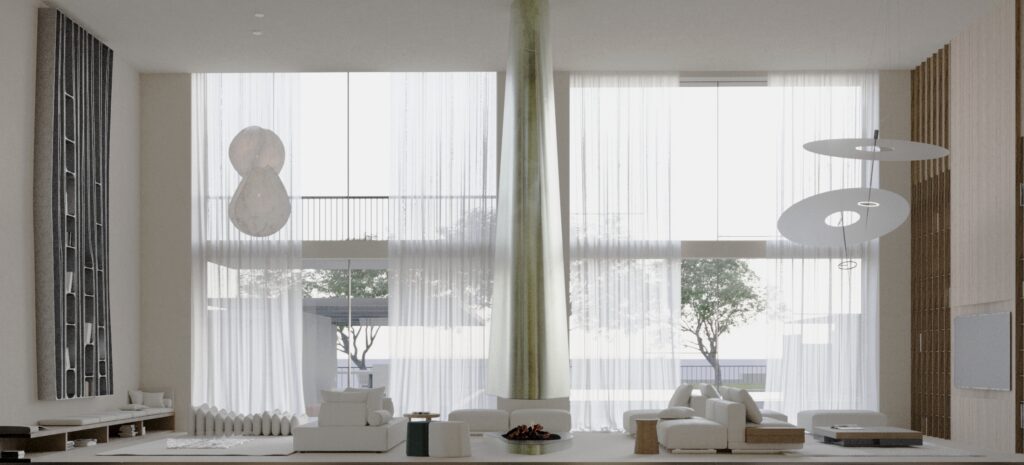
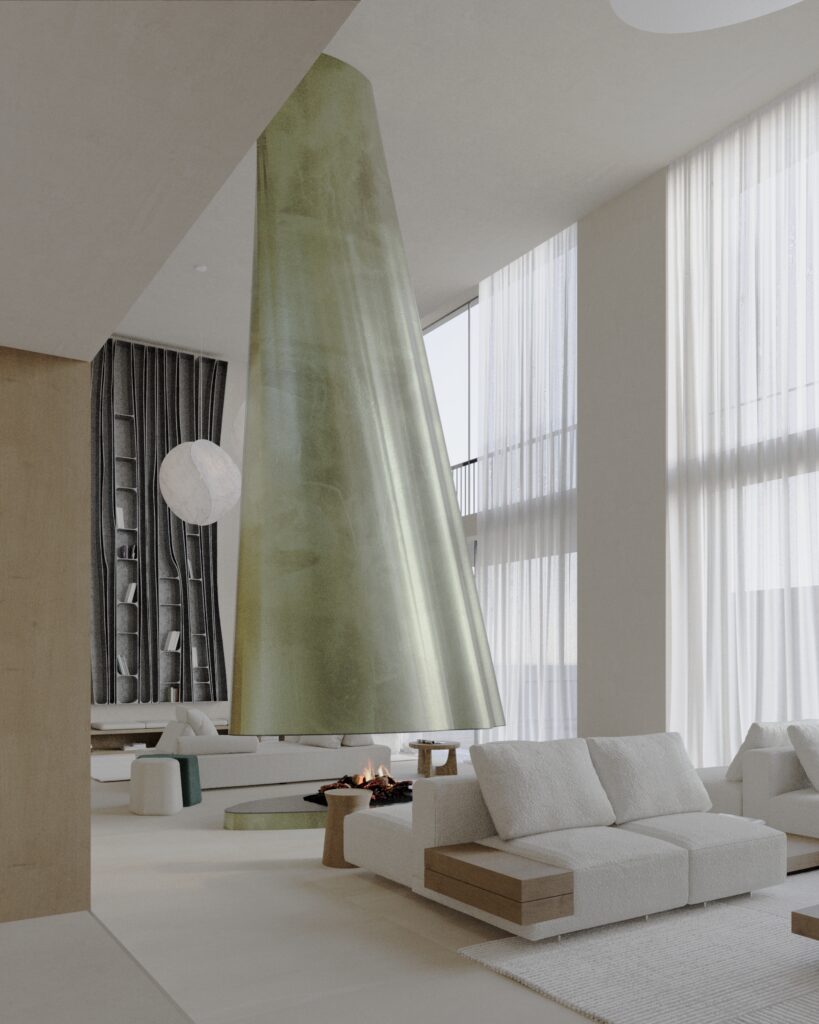
4. A Grounded, Earthy Palette
The color scheme is directly pulled from nature. Think of tones that evoke a sense of calm and introspection:
- Warm greys, charcoal, and soft taupes.
- Muted earthentones like terracotta, clay, sand, and olive.
- Achromatic whites that mimic the texture of rice paper or raw cotton.
5. The Play of Light and Shadow
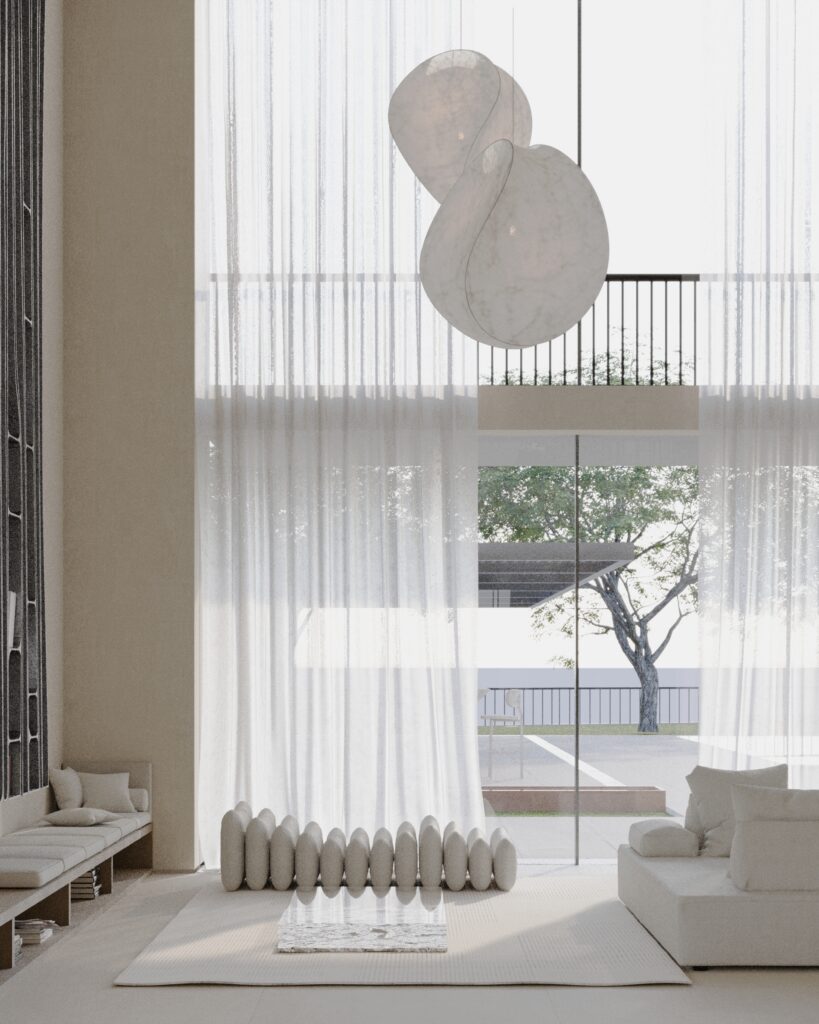
Wabi-sabi embraces the passage of time, making natural lighting a crucial architectural component. Large windows, sheer linen curtains, and strategically placed apertures allow shifting daylight and shadows to animate the interior throughout the day, emphasizing the fleeting nature of moments.
How to Bring Wabi-Sabi into Modern Spaces
For architects and designers looking to incorporate this aesthetic into contemporary projects, consider these actionable approaches:
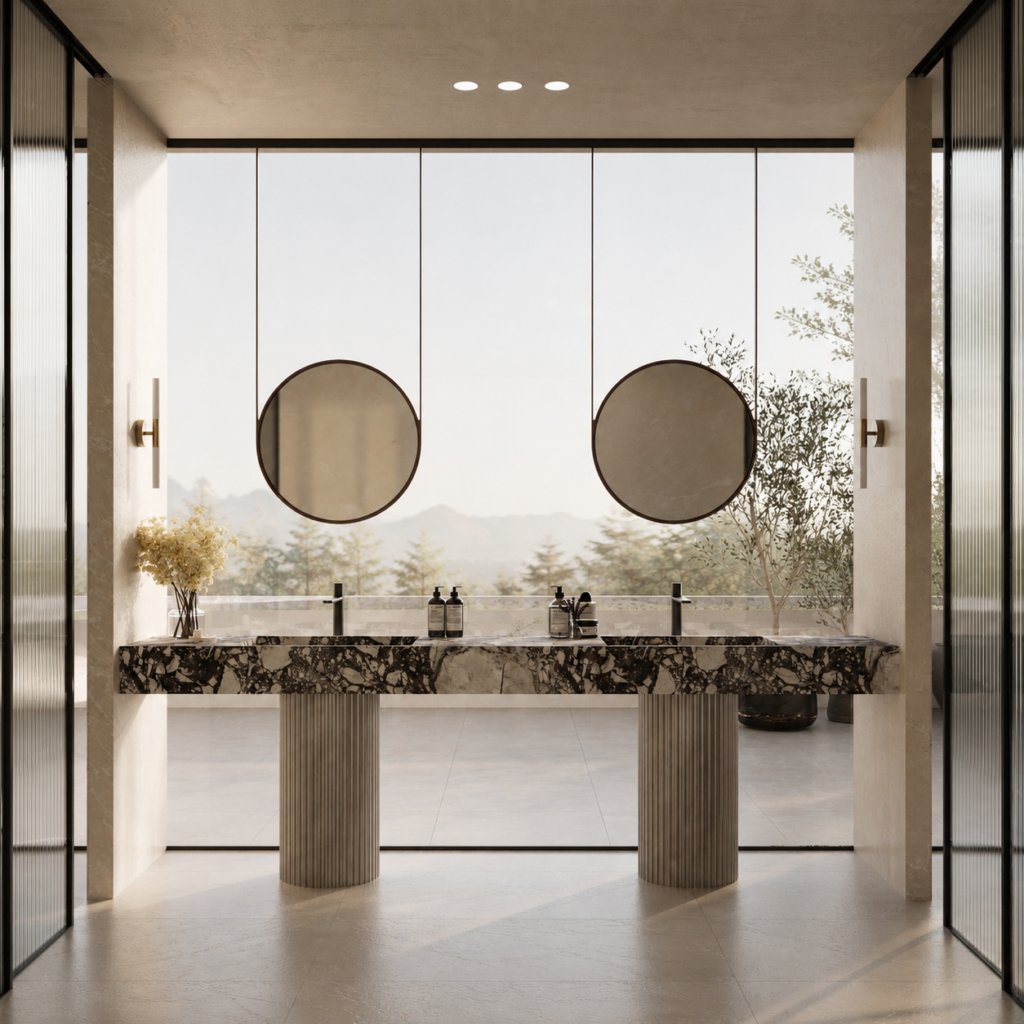
- Prioritize Handcrafted Details: Source tiles, sinks, and light fixtures made by artisans rather than mass-produced factories. Irregularities in shape and glaze are celebrated features, not defects.
- Blur Indoor and Outdoor Boundaries: Integrate courtyard gardens, large glass sliding doors, or indoor stone elements to maintain a constant dialogue with the changing seasons.
- Ditch Symmetry: Embrace asymmetrical layouts, organic furniture silhouettes, and curated, unforced arrangements over rigid matching sets.
Final Thoughts
In a fast-paced digital era, wabi-sabi interiors offer a much-needed sanctuary. By stripping away the unnecessary and celebrating the authentic flaws inherent in both materials and human life, architects can create spaces that do not just look stunning—they help us breathe, reflect, and find peace in the present moment.